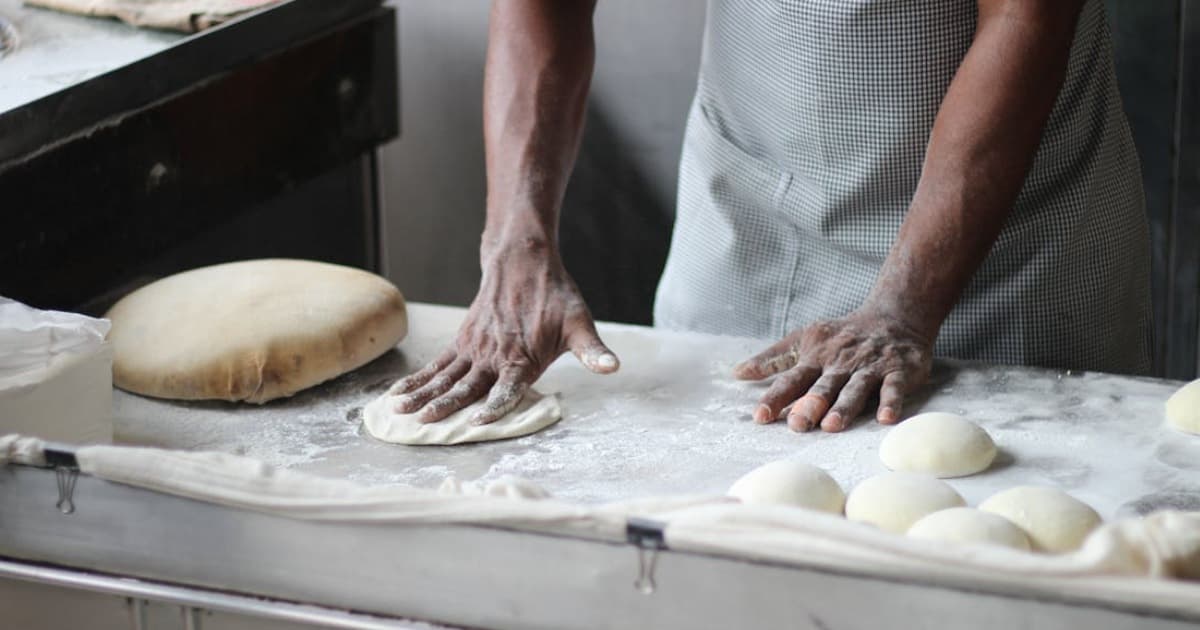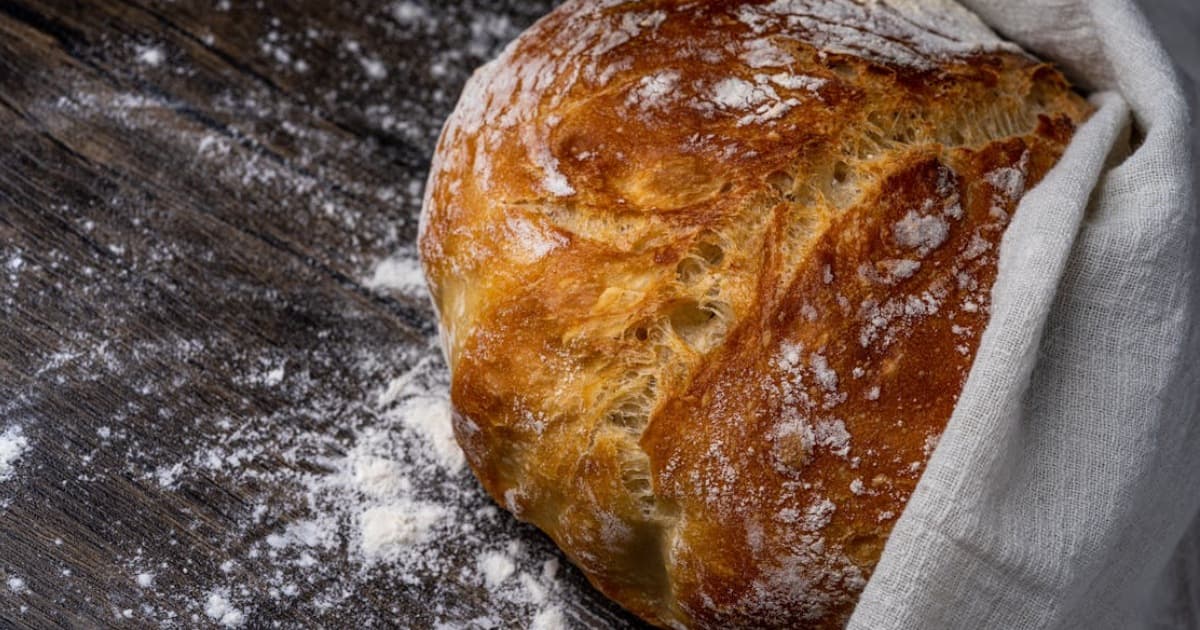
There's something almost meditative about making artisan bread. The process can't be rushed — dough needs time to ferment, develop flavor, and rise. You work with living ingredients, learning to read subtle signs: the smell of fermentation, the feel of properly developed gluten, the sound of a well-baked crust.
Artisan bread making is experiencing a renaissance. Home bakers are rediscovering ancient grains, natural fermentation, and the satisfaction of creating bread that rivals (or surpasses) expensive bakery loaves. Taking an artisan bread class connects you to centuries of baking tradition while teaching modern techniques.
What Makes Bread "Artisan"?
The term "artisan" has become trendy, but it has real meaning in bread making:
Minimal ingredients: Typically just flour, water, salt, and wild yeast (sourdough) or small amounts of commercial yeast. No dough conditioners, preservatives, or artificial ingredients.
Long fermentation: Artisan breads develop flavor through extended fermentation periods — often 12-24 hours or more — rather than speed additives.
Hand-shaped: Each loaf is shaped by hand, creating unique character rather than uniform machine-molded bread.
High hydration: Many artisan breads use high water-to-flour ratios (70-85% hydration), creating open crumb structure and crispy crusts.
Baking technique: Often baked in steam or Dutch ovens to create crispy, caramelized crusts and proper oven spring.
The result? Bread with complex flavor, beautiful texture, and a crust that shatters when you slice it.
🥖 Types of Artisan Bread Classes
1. Sourdough Fundamentals
Multi-Session • Advanced • Patient Learners
Learn to create and maintain a sourdough starter, understand bulk fermentation and proofing, master stretch-and-fold techniques, and bake crusty, tangy sourdough loaves.
Perfect for: Patient bakers, flavor enthusiasts, natural fermentation lovers
2. European Bread Traditions
Cultural • Technique-Driven • Diverse
Explore bread from across Europe: French baguettes and pain de campagne, Italian ciabatta and focaccia, German rye breads, Scandinavian rye, and British bloomers.
Perfect for: Cultural food enthusiasts, travelers, variety seekers
3. Whole Grain & Ancient Grain Breads
Health-Focused • Nutritious • Complex
Master breads using whole wheat, spelt, rye, einkorn, and other ancient grains. Learn to balance nutrition with flavor and texture.
Perfect for: Health-conscious bakers, nutrition-focused, adventurous learners
4. Pizza & Focaccia Mastery
Practical • Fun • High-Hydration
Deep dive into pizza dough fermentation, stretching techniques, baking methods (oven, grill, pizza steel), and creating authentic Neapolitan or Roman-style pizza.
Perfect for: Pizza enthusiasts, entertaining hosts, practical bakers
5. Advanced Bread Techniques
Expert Level • Specialty Skills • Challenge Seekers
Laminated breads (croissants, Danish), enriched doughs (brioche, challah), decorative scoring, oven techniques, and troubleshooting advanced problems.
Perfect for: Experienced bakers, skill advancement, show-stopping results
🍞 What You'll Learn in Artisan Bread Classes
Comprehensive artisan bread courses typically cover:
Flour Science:
- Protein content and gluten development
- Whole grain vs. white flour behavior
- Ancient and heritage grain properties
- Hydration percentages and their effects
Fermentation:
- Creating and maintaining sourdough starters
- Understanding wild yeast and bacteria
- Bulk fermentation vs. final proofing
- Temperature effects on fermentation
- Reading fermentation signs
Technique:
- Autolyse (flour and water rest) method
- Stretch and fold vs. traditional kneading
- Shaping boules, batards, and baguettes
- Scoring patterns and their purposes
- Steam generation for crust development
Baking:
- Dutch oven baking methods
- Baking stones and steels
- Temperature control and timing
- Achieving proper oven spring
- Crust color and doneness indicators
Troubleshooting:
- Dense crumb (under-fermented or over-mixed)
- Flat loaves (over-proofed or weak gluten)
- Gummy texture (underbaked or too much moisture)
- Weak crust (insufficient steam or temperature)
💡 Finding the Right Artisan Bread Class
Check instructor credentials: Look for bakers with professional experience or deep personal expertise. Artisan bread making has nuance that requires experienced instruction.
Understand the time commitment: Quality artisan bread classes often span multiple sessions because dough needs time to ferment. Some classes give you prepared dough to take home and bake later.
Ask about starter culture: Good sourdough classes either provide starter culture or teach you to create your own. Clarify what you'll receive to continue baking at home.
Verify hands-on time: Demonstration-only classes have limited value for artisan bread. You need to feel the dough, practice shaping, and develop intuition through doing.
Check equipment requirements: Can you replicate results at home? Some classes use professional ovens with steam injection. Learn alternatives (Dutch ovens, spray bottles) for home baking.
Consider class size: Small classes (6-10 students) allow individual attention and troubleshooting. Large classes limit hands-on practice and personal guidance.
🌾 The Sourdough Journey
Sourdough deserves special mention because it's both challenging and rewarding:
Week 1-2: Creating your starter from scratch, feeding schedule, recognizing activity Week 3-4: First loaves (expect imperfect results), understanding hydration Month 2-3: Consistency improves, developing your preferred method Month 4+: Confident baking, experimenting with grains and techniques
A good sourdough class accelerates this journey by teaching:
- How to recognize a healthy starter
- Troubleshooting starter problems
- Adapting to your kitchen's temperature and humidity
- Building strength through stretch-and-fold
- Recognizing proper fermentation stages
🎁 Artisan Bread Classes Make Thoughtful Gifts
Give the gift of artisan bread making to:
- Serious home bakers: Ready to move beyond basic breads
- Foodies: Who appreciate craft, technique, and flavor
- Sourdough curious: Wanting to understand the Instagram trend
- Slow food advocates: Who value traditional methods
- Retirees: Looking for a rewarding, patient hobby
- Couples: Collaborative project with delicious results
Find Artisan Bread Classes Near You →
Why Artisan Bread Making Is Having a Moment
Several factors explain the artisan bread renaissance:
Pandemic baking boom: Lockdowns gave people time to try sourdough, sparking widespread interest in bread making.
Health consciousness: Naturally fermented bread with minimal ingredients appeals to those avoiding preservatives and additives.
Craft culture: Artisan bread aligns with broader interest in handmade, locally produced, traditional crafts.
Flavor: Once you've tasted properly fermented artisan bread, commercial sandwich bread tastes bland by comparison.
Meditative practice: In our fast-paced world, slow bread making offers a mindful counterbalance.
Community: Online and in-person bread communities share knowledge, troubleshooting, and encouragement.
📚 Beyond the Basics: Advanced Artisan Skills
Once you've mastered fundamental artisan breads, explore:
Decorative scoring: Creating beautiful patterns that open during baking Laminated breads: Croissants, pain au chocolat, kouign-amann Regional specialties: Bagels, pretzels, English muffins, pita Enriched doughs: Brioche, challah, panettone Alternative grains: Spelt, kamut, rye, buckwheat, teff Pizza mastery: Neapolitan, Roman, New York, Detroit styles
Frequently Asked Questions
Q: Is artisan bread making harder than regular bread? A: Not harder, but more patient. Artisan bread requires time for fermentation but often involves less active work than kneaded breads.
Q: Do I need special equipment? A: Basic artisan bread needs minimal equipment: a Dutch oven (or heavy pot with lid), scale, mixing bowls, and your home oven. Professional equipment helps but isn't necessary.
Q: How long do artisan bread classes take? A: Single sessions are typically 3-4 hours (often including rise time). Multi-session courses might meet weekly for 4-8 weeks to cover full fermentation cycles.
Q: Can I make artisan bread without a sourdough starter? A: Yes! Many artisan breads use small amounts of commercial yeast with long, cold fermentation to develop flavor. Sourdough is one approach, not the only one.
Q: Why is my sourdough dense? A: Common causes include under-fermentation, weak starter, insufficient gluten development, or over-mixing. A class helps you diagnose your specific issue.
Q: Is artisan bread healthier? A: Natural fermentation can make nutrients more bioavailable and may be easier to digest for some people. Whole grain artisan breads offer more nutrition than white bread.
Ready to Create Beautiful Bread?
Artisan bread making connects you to ancient traditions while challenging you to master a craft. The learning curve is real, but so is the reward: pulling a perfect loaf from your oven, hearing the crust crackle as it cools, and sharing bread you made with your own hands.
Whether you're drawn to sourdough's tangy complexity, European traditions, or simply want to bake better bread, an artisan bread class will give you the skills and confidence to succeed.
Explore All Artisan Bread Making Classes →
What's your favorite artisan bread style? Share your baking journey with us!