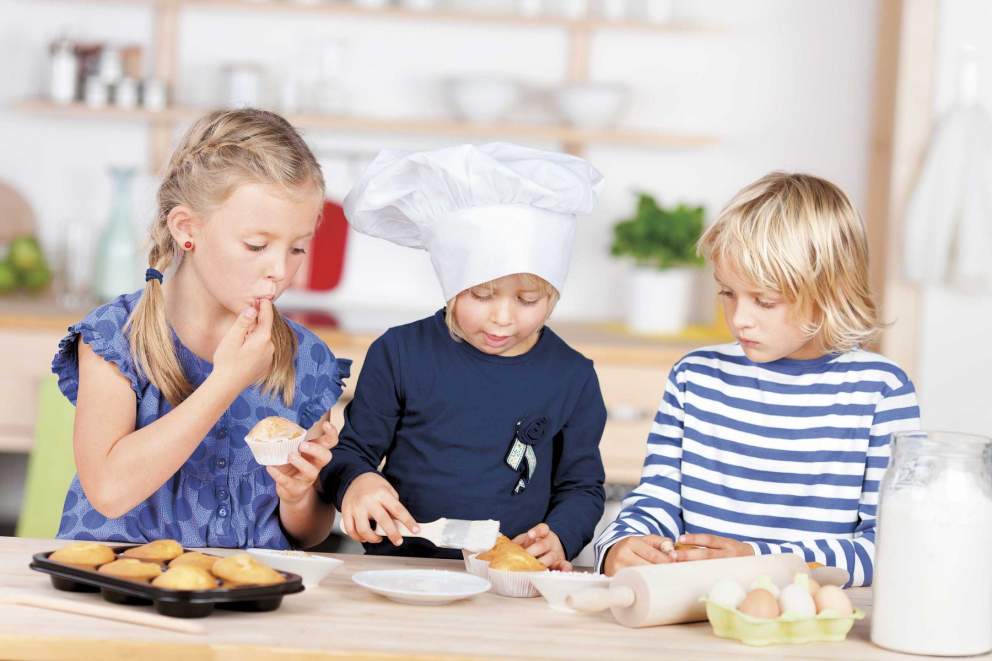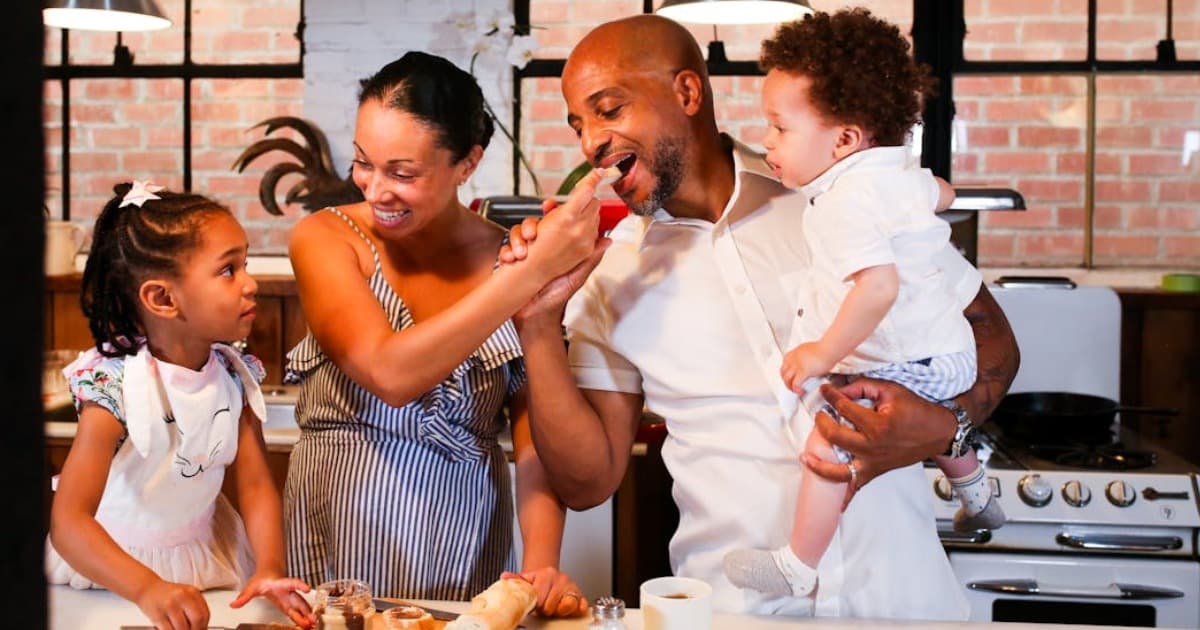
Looking for a family activity that's actually educational, gets everyone off screens, and results in something delicious? Family cooking classes check all those boxes — plus they're genuinely fun.
Unlike many "family" activities where parents watch kids play, cooking classes engage everyone. Parents and kids work together, learn from each other, and create something they can enjoy immediately. Whether you're cooking with toddlers or teenagers, the right class turns kitchen time into quality family time.
Why Take a Family Cooking Class?
Family cooking classes offer benefits beyond just learning recipes:
Life skills: Kids who learn to cook develop independence, confidence, and practical skills they'll use forever. Starting young builds a foundation for healthy eating habits.
Quality time: In our busy lives, dedicated family time is precious. Cooking together creates memories while building stronger family bonds.
Educational value: Cooking teaches math (measuring, fractions), science (chemical reactions, heat transfer), reading (following recipes), and cultural awareness.
Confidence building: Successfully making a meal boosts kids' self-esteem. They take pride in feeding the family something they created.
Breaking picky eating: Kids who help prepare food are more likely to try new ingredients. Involvement reduces resistance to unfamiliar foods.
Screen-free fun: Hands-on cooking gets everyone engaged without devices, fostering real conversation and collaboration.
👨👩👧👦 Types of Family Cooking Classes
1. Parent-Child Classes (Ages 5-12)
Hands-On • Age-Appropriate • Supervised
Designed specifically for parents cooking alongside younger children. Recipes and techniques match kids' developmental abilities, with safety precautions and age-appropriate tools.
Perfect for: Elementary school kids, parent-child bonding, skill-building
2. Teen & Parent Classes (Ages 13+)
More Advanced • Independence-Building • Practical
Teens work more independently while parents assist. Focus on skills teens will use when leaving home: meal planning, grocery budgeting, cooking staples, and nutritious meals.
Perfect for: Teenagers, preparing for independence, skill advancement
3. Multi-Generational Classes
All Ages Welcome • Inclusive • Flexible
Classes designed to accommodate everyone from young kids to grandparents. Stations allow different family members to contribute at their skill level.
Perfect for: Extended family gatherings, holidays, diverse age groups
4. Themed Family Classes
Fun • Special Occasion • Entertainment
Pizza making, cupcake decorating, international cuisine nights, holiday-themed classes, or movie-inspired cooking (Harry Potter butterbeer, anyone?).
Perfect for: Birthday parties, special occasions, entertainment-focused
5. Healthy Family Cooking
Nutrition-Focused • Educational • Habit-Building
Classes emphasizing nutrition, cooking with whole foods, managing dietary restrictions, and building healthy family eating habits.
Perfect for: Health-conscious families, dietary needs, nutrition education
👧 What Kids Learn in Cooking Classes
Age-appropriate cooking classes teach progressive skills:
Young Kids (Ages 5-8):
- Washing vegetables and fruits
- Stirring and mixing (with supervision)
- Measuring dry ingredients
- Safe use of butter knives for soft foods
- Following simple instructions
- Kitchen safety basics
Older Kids (Ages 9-12):
- Using knives safely (starting with soft foods)
- Reading and following recipes
- Understanding heat and cooking methods
- Measuring accurately (fractions!)
- Basic timing and multitasking
- Cleanup and kitchen responsibility
Teens (Ages 13+):
- Independent meal preparation
- Menu planning and grocery shopping
- Using stovetops and ovens safely
- Multi-component meals
- Food safety and storage
- Adapting recipes and improvising
💡 Choosing the Right Family Cooking Class
Check minimum ages: Classes have age minimums for safety reasons. Some welcome kids as young as 3, others start at 7 or 10. Respect these guidelines — they're based on safety and developmental appropriateness.
Understand the structure: Some classes have kids and parents work as teams. Others have separate but parallel activities. Choose based on your family's preferences and kids' independence levels.
Consider attention spans: Younger kids need shorter classes (60-90 minutes). Teens can handle 2-3 hours. Match class length to your children's ability to stay engaged.
Ask about allergens: If your family has food allergies or dietary restrictions, contact the instructor before booking. Most can accommodate with advance notice.
Check hands-on vs. demonstration: The best family classes are hands-on, not just watching. Everyone should have tasks appropriate to their age and skill level.
Look for takeaways: Make sure you'll receive recipes to recreate meals at home. The class should inspire continued cooking, not be a one-time event.
Evaluate safety measures: Good family classes have clear safety protocols: hot surface warnings, supervised knife use, sanitization practices, and enough instructors for the group size.
🎂 Great Family-Friendly Recipes to Learn
Classes often focus on recipes that engage kids and please the whole family:
Pizza Making: Kids love stretching dough, choosing toppings, and making personal pizzas
Pasta from Scratch: Tactile, fun to make, and impressive results
Dumplings & Pot Stickers: Teaches patience, dexterity, and offers cultural education
Baking Classes: Cookies, cupcakes, brownies — sweet motivation for young bakers
Taco Bars: Assembly-style cooking where everyone customizes
Breakfast Favorites: Pancakes, French toast, omelets — useful everyday skills
Sushi Rolls: Cultural experience with hands-on rolling technique
Soup & Bread: Comforting, accessible, teaches fundamental techniques
🎁 Family Cooking Classes as Gifts
Family cooking experiences make wonderful gifts for:
- Birthday celebrations: Especially for kids who already have too many toys
- Holidays: Create new family traditions
- Mother's Day / Father's Day: Quality time together beats material gifts
- Grandparent gifts: Time with grandchildren doing something meaningful
- New Year's resolutions: Start healthy family eating habits
- Summer break activities: Educational fun when school's out
Find Family Cooking Classes Near You →
Building Lifelong Skills and Memories
The benefits of family cooking classes extend far beyond the kitchen:
Academic skills: Math (measurements, timing), reading (following recipes), science (chemical reactions, heat), cultural studies (global cuisines)
Social-emotional development: Teamwork, patience, following instructions, handling mistakes gracefully, pride in accomplishment
Healthy relationships with food: Understanding ingredients, trying new foods, appreciating cooking effort, reducing picky eating
Independence: Kids who can cook have confidence and practical life skills that serve them through adulthood
Family traditions: Recipes learned together often become family favorites, repeated for years and passed down generations
👨🍳 Tips for Cooking with Kids at Home
Classes are great, but the real magic happens when you continue cooking together at home:
Start simple: Master scrambled eggs before attempting soufflé
Accept imperfection: Lopsided cookies taste just as good as perfect ones
Focus on process, not just results: The learning happens in the doing
Let them help with real meals: Not just "kid food" — involve them in family dinner prep
Create a safe step stool setup: Height matters for engagement and safety
Invest in kid-appropriate tools: Plastic knives, small rolling pins, child-safe peelers
Make cleanup part of the experience: "We cook, we clean" builds responsibility
Celebrate their contributions: Announce at dinner who helped make which parts
Frequently Asked Questions
Q: What's the minimum age for family cooking classes? A: This varies by venue and class type. Some classes welcome children as young as 3-4 (with parent assistance), while others start at 7-10 when kids have better fine motor skills and attention spans.
Q: Do parents have to participate or can we just watch? A: Most family cooking classes require active parent participation, especially with younger kids. This ensures safety and makes it a bonding experience rather than childcare.
Q: What if my child has food allergies? A: Contact the cooking school before booking. Most can accommodate allergies with advance notice by modifying recipes or suggesting alternative classes.
Q: Are family cooking classes expensive? A: Pricing varies widely. Expect to pay more per person than adult-only classes due to smaller class sizes, specialized instruction, and additional safety measures. Some community centers offer affordable options.
Q: Will picky eaters actually try new foods? A: Many parents report that picky eaters are more willing to try foods they helped prepare. While not a guarantee, involvement often reduces resistance to unfamiliar ingredients.
Q: Can we bring multiple kids with one adult? A: Check the class policy. Most require at least one adult per 2-3 children for safety and adequate supervision, especially with younger kids.
Q: What happens if my child gets overwhelmed or misbehaves? A: Good instructors are experienced with kids and have strategies for redirecting attention. However, if a child is too young or not ready, it may be better to wait and try again later.
Ready to Cook Together?
Family cooking classes offer something rare: an activity that's educational, fun, screen-free, and results in delicious food. Whether you're teaching your toddler to stir or your teenager to plan a meal, time spent cooking together builds skills, confidence, and memories that last a lifetime.
The kitchen is where families gather, stories are shared, and traditions are born. Start making those memories today.
Explore All Family Cooking Classes →
What's your family's favorite thing to cook together? Share your experiences and inspire other families!