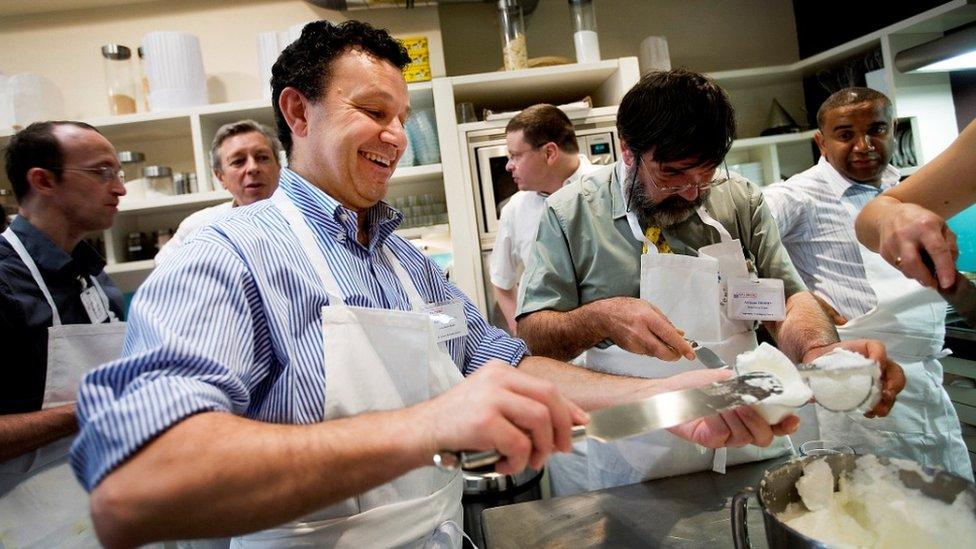
Forget the trust falls and awkward icebreakers. The best team building happens when colleagues work together toward a shared goal—and nothing brings people together quite like preparing and sharing a meal. Corporate cooking classes combine collaboration, creativity, and communication in a relaxed, engaging environment where teams naturally bond over chopping, stirring, and tasting.
Whether you're planning a quarterly team outing, celebrating company milestones, or bringing together remote workers for the first time, culinary team building offers something unique: everyone contributes, everyone learns, and everyone eats together at a shared table.
Why Cooking Classes Work for Team Building
Natural Collaboration: Preparing a multi-course meal requires delegation, communication, and teamwork. Team members naturally fall into leadership and support roles without forced structures.
Levels the Playing Field: In the kitchen, job titles matter less. The CEO might be learning to dice vegetables while an entry-level employee already knows knife skills. This creates organic peer-to-peer learning.
Immediate Results: Unlike abstract team building exercises, cooking provides tangible outcomes. Your team can see, smell, taste, and photograph what they've accomplished together.
Breaks Down Barriers: Shared activities like kneading dough, rolling pasta, or plating dishes create casual conversation opportunities. People who rarely interact at work connect over shared tasks.
Accommodates Different Strengths: Some team members excel at precision tasks (measuring, plating), others at creative elements (seasoning, presentation), and still others at organization (timing, coordination). Everyone finds their role.
Memorable & Enjoyable: Months later, your team will remember the time Sarah accidentally oversalted the risotto or when the whole group nailed the soufflé. These shared memories strengthen workplace relationships.
What Makes a Great Corporate Cooking Class?
Professional Instruction: Experienced chefs who can manage groups, explain techniques clearly, and keep energy high even when things get chaotic.
Appropriate Group Sizes: Classes that accommodate your team size comfortably—whether 8 people or 50.
Team-Focused Format: Activities designed for collaboration, not just individual stations. Relay cooking challenges, group projects, and shared plating encourage interaction.
Dietary Accommodations: Menus flexible enough to handle vegetarian, vegan, gluten-free, and allergy restrictions without anyone feeling excluded.
Private Spaces: Dedicated kitchens or event spaces where your team can bond without distraction from public classes.
Full-Service Options: Providers who handle setup, ingredients, equipment, and cleanup so you can focus on team engagement.
Types of Team Building Cooking Experiences
Competition-Style Classes
Format: Teams compete in cooking challenges—maybe an iron chef-style mystery basket or a dessert decoration contest.
Benefits: Brings out competitive spirit in a fun, low-stakes way. Great for energetic teams and departments that work together regularly.
Best for: Sales teams, marketing departments, groups comfortable with friendly competition.
Collaborative Meal Preparation
Format: The entire team works together to prepare a multi-course meal, with different groups responsible for appetizers, mains, sides, and dessert.
Benefits: Emphasizes cooperation, timing, and communication. Everyone contributes to a shared goal.
Best for: Cross-functional teams, new teams learning to work together, groups that value collaboration over competition.
Cultural Cooking Experiences
Format: Teams prepare authentic dishes from specific cuisines—Italian, Thai, Mexican, Indian—while learning about culinary traditions.
Benefits: Adds educational element, exposes team to new flavors, perfect for diverse, multicultural teams.
Best for: Global companies, teams preparing for international expansion, diversity and inclusion initiatives.
Pizza & Pasta Parties
Format: Hands-on pizza making or fresh pasta preparation followed by communal dining.
Benefits: Universally appealing, highly tactile (everyone loves stretching dough), results in satisfying meal everyone enjoys.
Best for: Casual team outings, groups with varying cooking skills, teams that prefer relaxed social experiences.
Cocktail & Appetizer Classes
Format: Teams learn to mix craft cocktails and prepare upscale appetizers perfect for entertaining.
Benefits: Shorter format (2 hours vs. 3-4 for full meals), teaches skills useful for networking events, sophisticated atmosphere.
Best for: Client-facing teams, hospitality industry, groups short on time, happy hour alternatives.
Seasonal & Holiday Cooking
Format: Classes themed around holidays (Thanksgiving prep, holiday cookie decorating, summer grilling) or seasonal ingredients.
Benefits: Timely and festive, creates holiday traditions, teaches practical skills teams can use at home.
Best for: End-of-year celebrations, seasonal team outings, companies with strong holiday traditions.
Top Cities for Corporate Cooking Classes
New York City
NYC offers the most diverse selection of corporate cooking venues—from sleek Manhattan test kitchens to Brooklyn industrial spaces. Instructors include professionally trained chefs, and cuisine options span every global tradition.
Popular NYC corporate cooking venues include facilities in Chelsea, Midtown, Brooklyn, and Queens with capacity for groups from 10 to 100+.
Los Angeles
LA's corporate cooking scene emphasizes fresh, California-inspired cuisine with farm-to-table ingredients. Many venues offer outdoor kitchen spaces perfect for Southern California weather.
Popular LA corporate cooking themes: Healthy cooking, international street food, taco bars, sushi rolling.
Chicago
Chicago's culinary team building combines Midwestern hospitality with world-class food culture. Expect generous portions, welcoming instructors, and versatile spaces accommodating large groups.
Popular Chicago corporate cooking themes: Pizza making, Italian pastas, BBQ techniques, comfort food modernized.
San Francisco
SF corporate cooking classes often emphasize sustainability, local sourcing, and innovative techniques. Many venues offer stunning views alongside culinary experiences.
Popular SF corporate cooking themes: Farm-to-table dinners, sustainable seafood, Asian fusion, artisan bread baking.
How to Plan Your Team Building Cooking Event
Step 1: Define Your Goals
What do you want to achieve?
- Improving communication across departments?
- Celebrating company success?
- Onboarding new team members?
- Strengthening existing relationships?
Your goals should guide format selection.
Step 2: Consider Your Team
Group Size: Most cooking classes work best with 8-16 people. Larger teams may split into multiple sessions or require specialized venues with extensive kitchen stations.
Cooking Experience: Mixed-skill groups work fine—instructors accommodate beginners while keeping experienced cooks engaged.
Dietary Restrictions: Survey your team early. Many cooking schools can accommodate restrictions but need advance notice.
Physical Limitations: Cooking classes involve standing for 2-4 hours. Ensure venues offer seating for team members who need it.
Step 3: Set Your Budget
Typical Costs:
- Standard group cooking classes: $75-$150 per person
- Private corporate events: $100-$200 per person
- Premium chef-led experiences: $150-$300+ per person
Budget typically includes ingredients, instruction, venue, equipment, and the meal. Some add wine pairings, printed recipes, or branded aprons for additional cost.
Step 4: Book in Advance
Popular corporate cooking venues book up quickly, especially for:
- Friday afternoons (team happy hours)
- December (holiday parties)
- Spring (annual planning sessions)
Book 6-12 weeks ahead for best availability.
Step 5: Communicate Clearly
Send team members details well in advance:
- Date, time, location, and parking/transit info
- What to wear (comfortable clothes, closed-toe shoes)
- Dietary restriction accommodation process
- Whether event is mandatory or optional
- What they'll be cooking
What to Expect During Your Team Cooking Class
Arrival & Welcome (15 minutes): Teams arrive, wash hands, receive aprons and station assignments. Instructor introduces the menu and cooking plan.
Cooking Instruction (90-120 minutes): Teams work at stations preparing their assigned dishes. Instructors circulate, demonstrate techniques, answer questions, and ensure timing stays on track.
Plating & Presentation (15-20 minutes): Teams plate their creations, often with friendly judging or group voting on best presentation.
Communal Dining (45-60 minutes): Everyone sits together to enjoy the meal they've prepared. This is often where the best bonding happens—relaxed conversation over shared accomplishment.
Wrap-Up (10 minutes): Photos, recipe sharing, thanking instructors, and cleanup (usually minimal—most venues handle it).
Team Building Benefits Beyond the Kitchen
Improved Communication: Cooking together requires constant communication—delegating tasks, coordinating timing, offering help. These skills transfer directly to workplace collaboration.
Problem-Solving: When something goes wrong in the kitchen (and something always does), teams must think creatively and work together to fix it.
Recognizing Strengths: Team members see each other's skills outside traditional work contexts—who's naturally organized, who stays calm under pressure, who thinks creatively.
Reduced Workplace Stress: Fun, hands-on activities lower stress and increase positive associations with colleagues.
Increased Retention: Companies that invest in team experiences and employee engagement see higher retention rates.
Enhanced Creativity: Cooking encourages experimentation and creative thinking—mindsets that benefit workplace innovation.
Dietary Considerations for Corporate Events
Common Accommodations:
- Vegetarian (easily accommodated in most classes)
- Vegan (requires advance notice; some cuisines adapt better than others)
- Gluten-free (possible with modifications; best in certain cuisine types)
- Dairy-free (usually manageable with substitutions)
- Nut allergies (critical to communicate; some classes involve nuts)
- Halal/Kosher (requires specialized venues or instructors)
Best Practices:
- Survey team early and provide restrictions to venue
- Confirm accommodations in writing before event
- Prepare alternative options for severe allergies
- Consider choosing universally accommodating menus (Mediterranean, Asian cuisines often easier to modify)
Virtual Cooking Classes for Remote Teams
For distributed teams, virtual cooking classes offer similar benefits:
How They Work: Ingredient kits ship to team members' homes. Everyone joins a video call where a chef leads the class in real-time.
Benefits: Accessible for remote teams, team members cook in comfortable home kitchens, everyone participates equally regardless of location.
Challenges: Requires home kitchen setup, ingredient shipping logistics, time zone coordination for global teams.
Best Virtual Formats: Appetizers and cocktails (shorter time commitment), single-dish focuses (tacos, pasta, pizza), dessert decorating.
Frequently Asked Questions
How much time should we allocate? Most cooking classes run 2.5-3.5 hours including dining. Budget 3-4 hours total including arrival and departure.
What if team members have no cooking experience? Perfect! Instructors teach from scratch. Beginners often enjoy classes most because everything is new and exciting.
Can we bring alcohol? Most venues offer wine pairings for additional cost. Some allow you to bring wine; others require you purchase through them. Ask about corkage policies.
What happens if someone doesn't want to cook? They can participate as a sous chef (prep work, plating) or observer. Most people enjoy it once they get started.
Can we incorporate company messaging or branding? Many venues offer customization—branded aprons, company-themed menus, opportunities for leadership to give brief remarks.
What's the cancellation policy? Varies by venue. Corporate bookings often require 2-4 weeks notice for full refunds. Always get policies in writing.
Is it safe/sanitary? Professional cooking venues maintain health department standards, provide handwashing stations, and follow food safety protocols rigorously.
Measuring Success
After your team building cooking event, measure impact:
Immediate Feedback: Quick survey asking what team members enjoyed, learned, and would improve.
Photo Sharing: Encourage teams to share photos on internal channels—extends the positive experience and builds company culture visibility.
Follow-Up Activities: Teams could recreate dishes at potlucks, share recipes on company channels, or plan future cooking outings.
Long-Term Observation: Watch for improved cross-department communication and stronger relationships between participants.
Making It an Annual Tradition
The most successful team building cooking programs become annual traditions:
- Quarterly cooking challenges between departments
- Annual holiday cooking celebration replacing traditional parties
- Onboarding cooking classes for all new hires
- Leadership team cooking retreats for strategic planning
- Client appreciation cooking events
Ready to Bring Your Team Together?
Team building cooking classes transform colleagues into collaborators and coworkers into friends. The skills your team learns—communication, creativity, problem-solving, collaboration—extend far beyond the kitchen into every aspect of workplace culture.
Whether you choose competitive cooking challenges or collaborative meal preparation, pizza parties or international cuisine experiences, your team will leave with full stomachs, new skills, and strengthened relationships.
Start planning your team building cooking experience today and discover why the best teams are built around a shared table.
Related Articles: