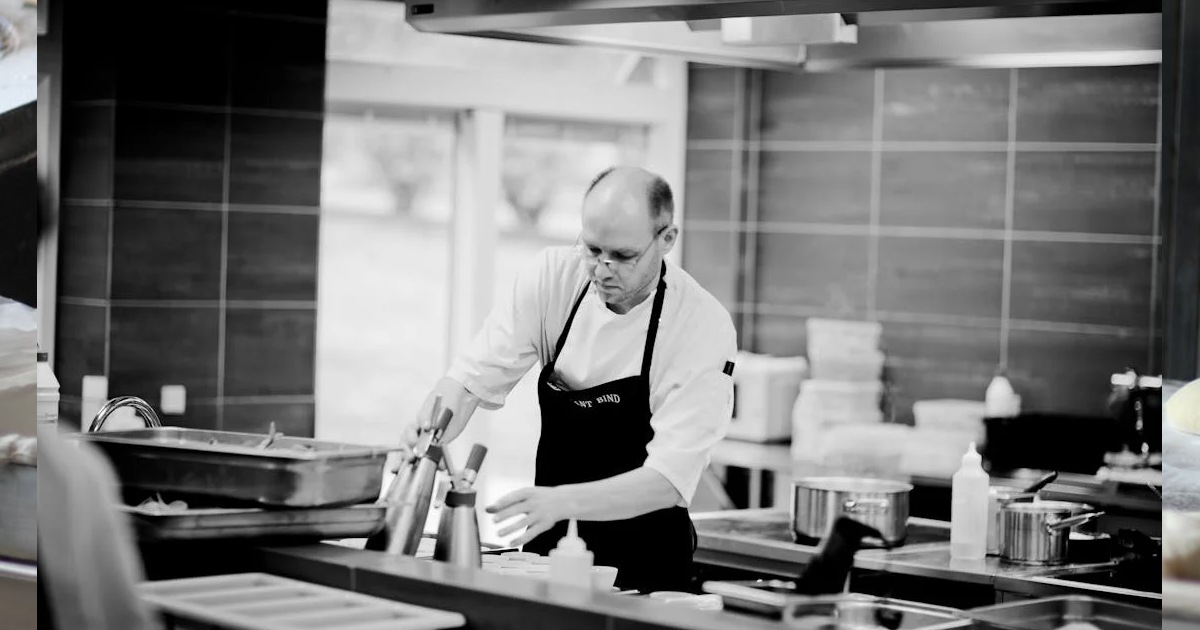
Thinking about a career in the culinary world? Maybe you've been watching cooking shows and imagining yourself in a professional kitchen. Or perhaps you're working in restaurants and want to formalize your training. Professional chef training classes offer a middle ground between self-teaching and full culinary school — intensive, focused education without years of commitment.
Not everyone needs a four-year culinary degree to succeed in the food industry. Many successful chefs, caterers, and food entrepreneurs have built careers through shorter professional training programs, apprenticeships, and hands-on experience.
Why Consider Professional Chef Training?
Professional training programs offer several advantages over traditional culinary schools:
Focused curriculum: Learn restaurant-level skills in months rather than years, concentrating on techniques you'll actually use in professional kitchens.
Lower investment: While not cheap, professional training programs cost significantly less than full culinary degrees, with some programs completed in weeks or months.
Career flexibility: Shorter programs let you test culinary work before committing to a full career change. You can continue working while taking evening or weekend courses.
Real-world skills: Many programs are taught by working chefs who bring current industry knowledge, not just textbook theory.
Career services: Better programs offer job placement assistance, externships, and industry connections that help you land your first professional position.
👨🍳 Types of Professional Training Programs
1. Certificate Programs (3-6 Months)
Intensive • Career-Focused • Comprehensive
Full-time or part-time programs covering culinary fundamentals: knife skills, stocks and sauces, protein cookery, vegetables, baking basics, and kitchen management. Often include externships in professional kitchens.
Perfect for: Career changers, serious commitment, restaurant aspirations
2. Weekend Intensive Courses
Part-Time • Working Professionals • Skill-Building
Multi-week programs meeting on weekends, allowing you to maintain your current job while building culinary skills. Cover professional techniques in concentrated sessions.
Perfect for: Working professionals, testing the waters, gradual learning
3. Specialty Professional Training
Focused • Advanced • Niche Skills
Intensive courses in specific areas: pastry and baking, butchery, seafood, garde manger, sauce work, or specific cuisines. Often taken after completing fundamental training.
Perfect for: Specialization, career advancement, niche restaurant work
4. Private Chef & Catering Programs
Entrepreneurial • Small Business • Flexible
Training focused on private chef work, catering business management, menu planning, food costing, and kitchen logistics for independent culinary entrepreneurs.
Perfect for: Entrepreneurial mindset, independence, flexibility
5. Restaurant-Sponsored Training
Paid • Hands-On • Career Track
Some restaurant groups offer their own training programs, teaching their systems and techniques while paying trainees. Often leads directly to employment.
Perfect for: Guaranteed employment, specific restaurant style, paid learning
🔪 What You'll Learn in Professional Programs
Comprehensive professional training typically covers:
Foundational Skills:
- Advanced knife skills and precision cuts
- Classical French techniques and sauces
- Protein cookery (meat, fish, poultry)
- Vegetables, grains, and starches
- Stock and soup preparation
- Baking and pastry fundamentals
Professional Kitchen Operations:
- Station setup and mise en place
- Speed and efficiency techniques
- Plating and presentation
- Food cost and inventory management
- Kitchen safety and sanitation
- Restaurant service flow
Career Development:
- Resume building and job search
- Staging (trial shifts) preparation
- Kitchen hierarchy and professionalism
- Menu development basics
- Industry networking
💡 Choosing the Right Program
Instructor credentials matter: Look for programs taught by chefs with real restaurant experience, not just teaching credentials. Working chefs bring current industry knowledge.
Check job placement rates: Ask what percentage of graduates find culinary employment within 6 months. Good programs should track and share this data.
Visit the facility: Tour the teaching kitchen. Is it equipped like a professional kitchen? Does it feel cramped? Are there enough stations for students to work hands-on?
Talk to alumni: Request contact information for graduates. Ask about their experience, whether they found work, and if they felt prepared.
Understand the time commitment: Be realistic about your availability. Rushed programs may not give you enough practice time. Extended programs test your commitment.
Consider externships: Programs offering restaurant externships provide invaluable real-world experience and networking opportunities. This can be as important as classroom time.
Evaluate cost vs. value: Expensive doesn't always mean better. Consider cost per hour of instruction, hands-on time, and career support services.
🎓 Is Professional Training Right for You?
Professional chef training might be a great fit if:
✅ You're seriously considering a culinary career ✅ You want restaurant-level skills without years in culinary school ✅ You learn best through intensive, hands-on practice ✅ You're willing to invest time and money in career development ✅ You want to test culinary work before fully committing
It might not be the best choice if:
❌ You're primarily interested in home cooking (recreational classes are better) ❌ You're not ready for the physical demands of professional kitchens ❌ You expect immediate high income (culinary careers start modestly) ❌ You can't commit to intensive learning periods
💰 Understanding Costs and ROI
Professional training programs vary widely in cost, from a few thousand dollars for weekend intensives to tens of thousands for comprehensive certificate programs. Consider:
Direct costs: Tuition, knife kits, uniforms, textbooks Indirect costs: Lost wages if you quit your job, transportation, housing (if relocating) Starting salaries: Entry-level culinary positions typically pay modestly, so calculate realistic payback periods Alternative paths: Some people gain equivalent skills through restaurant work and self-study
The best programs offer enough value — through skills, connections, and credentials — to justify their cost within a reasonable timeframe.
🚀 After Training: Next Steps
Completing a professional training program is just the beginning:
Start with staging: Trial shifts (stages) let you experience different kitchens before committing. Many restaurants expect this.
Be prepared to start low: Even with training, you'll likely start as a line cook or prep cook. Professional kitchens value experience over credentials.
Continue learning: The culinary world constantly evolves. Successful chefs never stop learning new techniques and cuisines.
Build your network: Fellow students, instructors, and externship supervisors become your industry network. Maintain these relationships.
Consider specialization: After gaining experience, you might focus on pastry, butchery, a specific cuisine, or management.
Find Professional Culinary Training Programs →
Frequently Asked Questions
Q: Do I need professional training to work in restaurants? A: No. Many successful chefs are self-taught or worked their way up. Training accelerates learning but isn't mandatory.
Q: How is this different from culinary school? A: Professional training programs are shorter and more focused than traditional culinary degrees. They emphasize practical skills over theory and general education.
Q: Will I get a job after completing training? A: Not automatically, but good programs offer job placement assistance and industry connections. Ultimately, you must apply and interview.
Q: What's the typical age of students? A: Professional training attracts diverse ages, from recent high school graduates to career changers in their 40s and 50s. Motivation matters more than age.
Q: Can I do this part-time while working? A: Some programs offer evening or weekend schedules designed for working professionals. Full-time intensive programs require leaving your job.
Q: Do I need to be in great physical shape? A: Professional kitchens are physically demanding (standing, lifting, heat). You don't need to be an athlete, but reasonable fitness helps.
Ready to Take the Next Step?
Professional chef training can be your gateway to a culinary career, whether you dream of running your own restaurant, becoming a private chef, or mastering the craft of cooking at the highest level. The key is choosing a program that matches your goals, schedule, and learning style.
Explore Professional Culinary Training Options →
Have you completed professional chef training? Share your experience and advice with aspiring culinary students!